
In NLP, a certificate and a diploma are usually the same thing wearing two different words. Neither term is protected, no government regulates NLP anywhere in the world, and no certifying body treats a “diploma” as ranking above a “certificate”. What separates two pieces of paper is never the noun printed on them but three things printed alongside it: which organisation issued it, which level it certifies — Practitioner, Master Practitioner or Trainer — and how many supervised hours stand behind it.
| The short version | Answer |
|---|---|
| Is a diploma higher than a certificate? | No. Neither word marks a level in NLP. |
| Who decides the wording? | The school or the certifying body — there is no standard |
| What actually signals level? | Practitioner, Master Practitioner, Trainer |
| What signals credibility? | A named issuing body and a trainer licensed by it |
| Where the words do mean something | State-regulated frameworks, which almost no NLP course sits inside |
What is the difference between an NLP certificate and an NLP diploma?
In practice, the difference is vocabulary. “Certificate” is the international default and the word used by the bodies that license trainers; “diploma” turns up more often in the UK, Ireland, Australia and among schools whose marketing borrows the language of academic study. Two people can complete identical seven-day trainings and receive documents with different nouns on them.
There is one pattern worth knowing, and it runs the opposite way to intuition. A number of providers use “NLP Diploma” for a short introductory course — two to four days, no live assessment — sitting below Practitioner level. So the grander word sometimes marks the smaller course. If you are comparing offers, read the level, not the noun: the recognised ladder in NLP has three rungs, Practitioner, Master Practitioner and Trainer, and everything else is a house name.
Where do these words actually mean something?
Inside state-regulated qualification frameworks — and NLP courses are almost never inside one. In England, “Award”, “Certificate” and “Diploma” are defined terms in the Regulated Qualifications Framework administered by Ofqual, where they describe the size of a qualification in learning hours: an Award is smallest, a Diploma largest. That is a real, checkable distinction, and it applies to regulated qualifications, not to a document a private NLP school designs for itself.
The word also lands differently by country. In Germany, “Diplom” was for decades a university degree, so a German reader hearing “NLP-Diplom” may assume an academic standard that was never claimed. This is worth knowing before you print business cards: the same word signals “short intro course” in one market and “degree” in another, which is exactly why the issuing body matters more than the vocabulary.
Which one do associations, insurers and clients recognise?
None of them recognises the word; all of them check the organisation behind it. Professional bodies such as The Society of NLP, ANLP International CIC in the UK and DVNLP in Germany set their own membership requirements, and those requirements are written in levels and training hours. A professional indemnity insurer asks the same kind of question, and so does a corporate buyer who wants to know who trained you.
That is the practical test. If you cannot name the body that stands behind your document, the noun on it changes nothing — and if you can, the noun matters even less. It is the same reasoning behind why the word “licensed” carries more weight in NLP than “certified”.
How do you compare two courses when the words don’t match?
Translate both offers into the same six facts, then compare the facts. Every one of them can be answered by email before you pay, and a provider who dodges any of them has answered the question anyway.
- The level. Practitioner, Master Practitioner or Trainer — or explicitly below Practitioner. Ask for the word the certificate will use.
- The issuing body. A named organisation that exists independently of the school, with its own website and officers.
- The trainer’s licence. Who licenses this trainer, and until when. Verifiable with the body, not just with the trainer.
- Contact hours. Live, timetabled hours with a trainer in the room — not “course access” or downloadable modules.
- Group size. How many people share the trainer’s attention while you practise.
- Assessment. Whether you have to demonstrate the techniques live in front of someone qualified to correct you.
Points four to six are where genuinely different courses separate, and no wording on a certificate records them. A seven-day in-person Practitioner and a self-paced “diploma” can both produce impressive paperwork; only one of them puts the core NLP techniques into your hands under supervision.
Does the wording ever matter at all?
Occasionally, and mostly for how you are read rather than what you can do. If you work in a country where “diploma” implies academic study, calling an eight-day training a diploma invites a misunderstanding you will eventually have to correct in front of a client. The safer habit is to describe what you hold precisely: the level, the body, the year. “NLP Practitioner, certified by The Society of NLP, 2026” tells a reader more than any single noun and survives every follow-up question.
People arrive at my trainings with all sorts of prior paperwork — diplomas, certificates, attendance confirmations — and the document almost never predicts what they can do in the room. What predicts it is how many hours they spent running the patterns with someone watching. I would rather sign a plain certificate for a person who demonstrated the work than hand out an impressive-sounding diploma to someone who watched it. — Carolin Mallmann, Licensed Trainer of The Society of NLP, Lisbon
If you want to see how that looks in practice, the seven-day Practitioner week we run in Lisbon certifies through The Society of NLP, in English, in groups of no more than ten — and the certificate says “Practitioner”, because that is the level it certifies. Newcomers who want the ideas first can start with what NLP is and how it works.
Frequently asked questions
Is an NLP diploma the same as an NLP Practitioner certification?
Sometimes, and sometimes not. Some schools call their Practitioner-level course a diploma, while others use “diploma” for a short introductory course that sits below Practitioner level. The only reliable check is whether the document names the level and the certifying body, because the word “diploma” carries no fixed meaning in NLP.
Can I write “NLP Diploma” after my name?
You can, because NLP titles are not legally protected, but it tells a reader very little. Naming the level and the issuing body — for example “NLP Practitioner, The Society of NLP” — is both more accurate and easier for a client or employer to verify. Vague wording tends to invite the question you were hoping to avoid.
Which looks better to potential clients?
Neither word moves clients much. In practice people ask what you can help them with, how you work, and who trained you. A traceable trainer and a clear description of your level answer all three; the noun on your certificate answers none of them.
Do NLP certificates or diplomas expire?
The certificate itself does not expire — it records that you completed a training on specific dates. What can lapse is the trainer’s licence and your own membership of a professional association, which many bodies renew annually and sometimes tie to continued practice. If you plan to join an association, check its renewal rules rather than assuming the paper covers you indefinitely.
Is an NLP certificate a formal qualification?
No, not in the sense of a state-regulated qualification. NLP certificates and diplomas are issued by private organisations and sit outside national qualification frameworks such as the UK’s RQF. That does not make them worthless — it means their value comes entirely from the reputation and verifiability of the body that issued them.
Keep exploring
- How many levels of NLP certification are there? — the ladder that actually marks progression, and where diplomas sit on it.
- Can I call myself a coach after NLP Practitioner? — the other title question, answered without the marketing gloss.
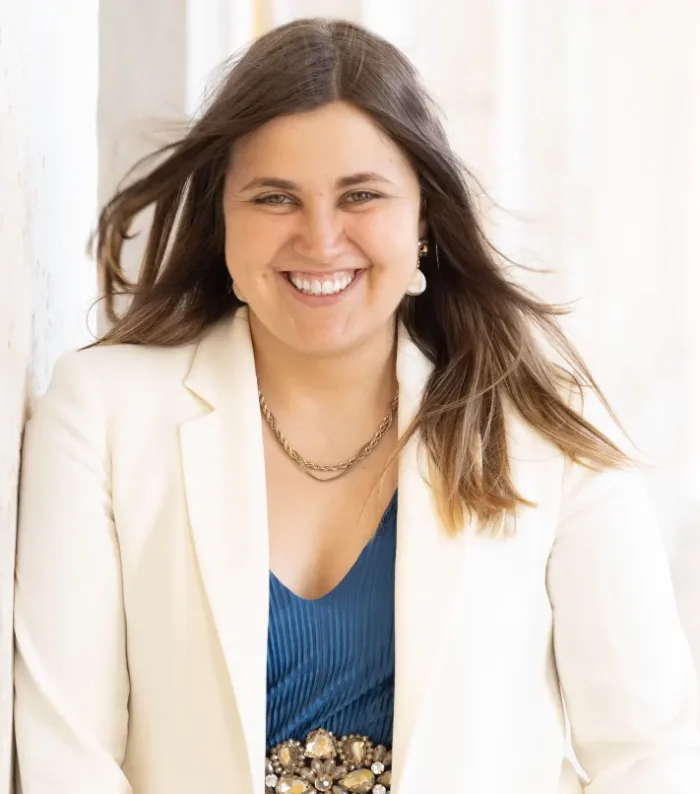
Carolin Mallmann — Licensed Trainer of The Society of NLP, trained by Richard Bandler. She has trained 300+ people and runs English-language NLP trainings in Lisbon in groups of no more than ten.
See exactly what the certificate from the next Lisbon Practitioner week says