
A good NLP Master Practitioner training in English in Europe is taught live by a licensed trainer, asks for a completed Practitioner, keeps the group small enough for personal feedback and ends with a certificate you can verify. Above all, it teaches Master content: values, belief systems, conversational belief change, meta programs and modeling. If the programme looks like a longer Practitioner, it is not a Master.
This guide is for certified NLP Practitioners who want to take the next step in English, whether they trained in Europe or elsewhere, and want to compare offers before they book.
The short version
| Criterion | What a good Master looks like | Red flag |
|---|---|---|
| Entry requirement | A completed NLP Practitioner | No prerequisite, or Practitioner and Master sold as one package for beginners |
| Content | Values, beliefs, Sleight of Mouth, meta programs, modeling | Mostly the Practitioner techniques again |
| Certificate | Issued by a named body, trainer licence you can check | “Internationally recognised” with no name behind it |
| Format | Live practice with feedback from the trainer | Recorded videos plus a final quiz |
| Group size | Small enough that the trainer sees your practice every day | Large rooms where assistants do all the feedback |
| Language | Trainer teaches fluently in English, group works in English | Simultaneous translation from another language |
What should an NLP Master Practitioner training teach?
It should teach you to work on the level underneath behaviour and to use NLP without following a recipe. The Practitioner gives you the tools. The Master teaches you to hear the belief or value behind what someone says and to respond to it inside a normal conversation.
Check the programme for these topics:
- Values and belief systems. Eliciting what someone cares about, finding the order behind a decision and working with two values that pull in different directions.
- Conversational belief change. Sleight of Mouth patterns, described by Robert Dilts in Sleight of Mouth: The Magic of Conversational Belief Change (1999), so you can answer “I can’t” without announcing a technique.
- Meta programs. Recognising how someone filters information, decides and motivates themselves, and adjusting your language to it. The glossary entry on meta programs in NLP explains the basics.
- Modeling. Finding out how a skilled person does something and breaking it into steps others can learn. NLP itself began this way, when Richard Bandler and John Grinder studied therapists and described their language patterns in The Structure of Magic (1975).
- Your own interventions. By the end you should be able to build a process for the person in front of you, not only run the written ones.
How do you check who certifies a Master training?
Ask which organisation issues the certificate and whether you can verify the trainer’s licence with that organisation. Common bodies in Europe include The Society of NLP, INLPTA, the ABNLP and, for German-speaking countries, the DVNLP. Each has its own standards for hours, content and trainer qualification.
NLP is not a protected title in most European countries, so anyone can print a certificate. That is why the name of the body and a licence you can look up matter more than the design of the certificate. The comparison of the Society of NLP and other NLP associations shows where they differ, and there is a guide on how to verify an NLP certification.
Why does it matter that the Master is taught in English?
Because Master work happens in language. Sleight of Mouth and conversational reframing depend on small shifts in wording, and those shifts get lost in translation or when the trainer is not at ease in the language.
Ask whether the trainer teaches in English regularly or only occasionally, whether the group practises in English the whole time, and whether the training material is in English. An international group is an advantage at Master level: you hear how beliefs sound in different cultures and practise with people who do not share your assumptions. More on this in what to check when an NLP training is taught in English.
Should a Master Practitioner be live or online?
For most people, live works better at Master level. You practise on real beliefs with real people, and the trainer needs to see and hear how you work to give useful feedback.
Online can work for theory and for follow-up practice groups. It is weaker for the parts of the Master that depend on observation, such as calibrating a belief shift in someone’s face and voice. If you are weighing the two formats, the article on online vs in-person NLP training goes through the trade-offs in detail.
How long does it take and what does it cost?
Live Master trainings in Europe usually run between one and three weeks, sometimes split into several modules. Prices vary a lot between countries and schools, so compare what is included rather than the headline figure.
Useful questions are how many hours you actually practise, how many people share one trainer, whether materials and the certificate fee are included, and whether you can pay in instalments. A shorter training with a small group can give you more feedback per hour than a longer one with forty people.
Where can you do an NLP Master Practitioner in English in Lisbon?
NLP Lisbon runs the NLP Master Practitioner certification in Lisbon as seven days of live training in English, with an international group of at most ten people. Each day combines short demonstrations with practice in pairs and small groups on topics from your own work and life, and you get feedback while you practise. You finish with the NLP Master Practitioner certificate of The Society of NLP, the licensing body founded by Richard Bandler.
The next dates are 17 to 23 May 2027 and 19 to 25 July 2027, from 9:00 to 18:00 with the evenings free. The price is €2,000, and instalments are possible. You need a completed NLP Practitioner, either with NLP Lisbon or with another recognised school. If you are not certified yet, the Practitioner in Lisbon runs from 18 to 24 January 2027.
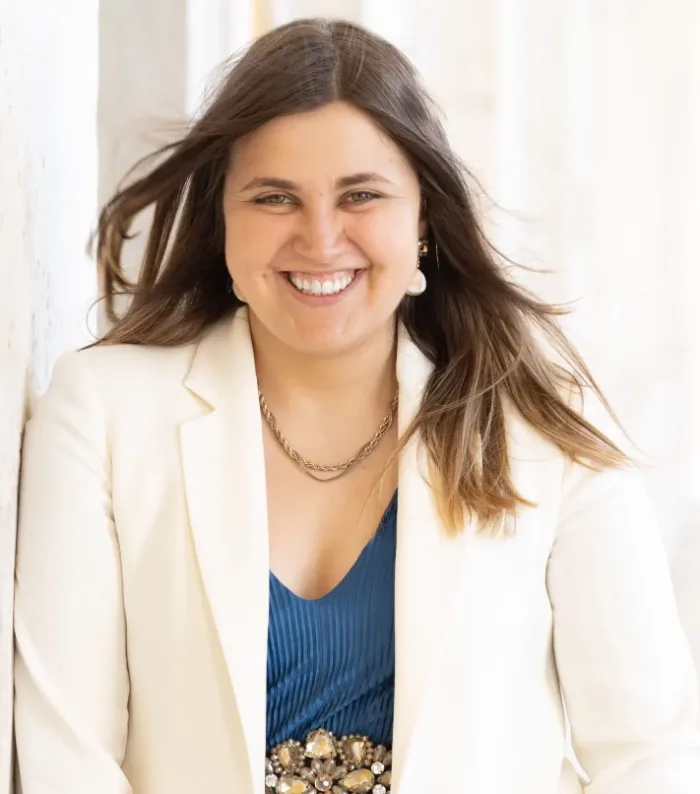
The trainer is Carolin Mallmann, a Licensed Trainer of The Society of NLP who was trained by Richard Bandler and has trained more than 300 people. Before you book, you can ask her anything about the Master in a free 30-minute call.
At Master level I watch less for whether you know the steps and more for whether you hear the belief behind what your partner is saying.
Carolin Mallmann, Licensed Trainer of The Society of NLP, Lisbon
FAQ
Can I do the Master with a different school than my Practitioner?
Usually yes. Most schools accept a completed Practitioner from another recognised school. At NLP Lisbon this is the case: if you are unsure whether your certificate fits, send a short message with the name of the school where you trained.
How long should I wait after the Practitioner?
There is no fixed waiting time. Many people book the Master after using NLP for a few months, when they notice where single techniques stop working. Others continue soon after the Practitioner while the material is fresh.
Is my English good enough for a Master training?
If you can follow a conversation and read a long article in English comfortably, it is usually enough. International groups speak clearly rather than academically. What matters more is that you are willing to practise language patterns in English, even when they feel unfamiliar at first.
What comes after the NLP Master Practitioner?
The next level is the NLP Trainer training, which qualifies you to teach NLP and certify others. Not everyone needs it. Many coaches, leaders and therapists stop at Master level because it already covers what they use with clients.
Is a Master Practitioner worth it if I am not a coach?
It can be. Values, beliefs and meta programs show up when you lead a team, sell, teach or negotiate. If you mainly want personal change, a few coaching sessions may be enough, so be honest with yourself about what you want to use it for.
Keep exploring
- NLP Practitioner vs Master Practitioner, if you want the two levels side by side.
- How to judge an NLP certification honestly, for the questions to ask any school before you pay.
Carolin Mallmann, Licensed Trainer of The Society of NLP, trained by Richard Bandler. She has trained 300+ people and runs English-language NLP trainings in Lisbon (groups of max. 10).
See the dates for the next NLP Master Practitioner in Lisbon